Electrical contractors can increase sales conversion without relying on high-pressure tactics by building a repeatable sales process. Effective contractor sales training helps teams understand customer needs, identify legitimate opportunities, communicate solutions, present clear options, follow up consistently, and protect gross margins. With ongoing contractor coaching, measurable KPIs, documented processes, and stronger sales leadership, contractors can reduce owner dependency and create more predictable, profitable sales performance. Ultimately, the goal is not simply to close more jobs, but to build a scalable sales organization that strengthens the overall value of the business.
An electrical contractor does not need a more aggressive sales team to increase conversion. What most growing companies need is a better sales process one that helps employees understand customer needs, present solutions clearly, follow up consistently, and protect profitability.
That is where effective contractor sales training becomes valuable.
At Build It To Sell It, sales training is not about turning one salesperson into the person who can close every difficult deal. It is about building a sales system the entire team can learn, measure, coach, and repeat.
For electrical contractors, that means moving away from owner-dependent selling and toward a process that produces consistent, profitable results without relying on pressure tactics.
A talented salesperson can make a significant difference to a business. The problem starts when that person becomes the entire sales strategy.
If one salesperson consistently closes difficult jobs, everyone knows who to call when a customer hesitates. If the owner is the person who has to step in and close larger estimates, the company has another dependency.
Inconsistent sales presentations create another problem. One salesperson may explain options clearly while another jumps straight to price. The result is an unpredictable customer experience and unpredictable sales performance.
Over time, this creates inconsistency.
One salesperson may follow up three times. Another may send one estimate and wait. One may present multiple options. Another may immediately discount the price. One may understand gross margins. Another may focus only on getting the customer to say yes.
A scalable electrical contractor needs something different: a sales process that can be documented, taught, measured, and improved.
Look for signs such as:
A strong salesperson can produce results. A strong sales system allows the company to produce results consistently.
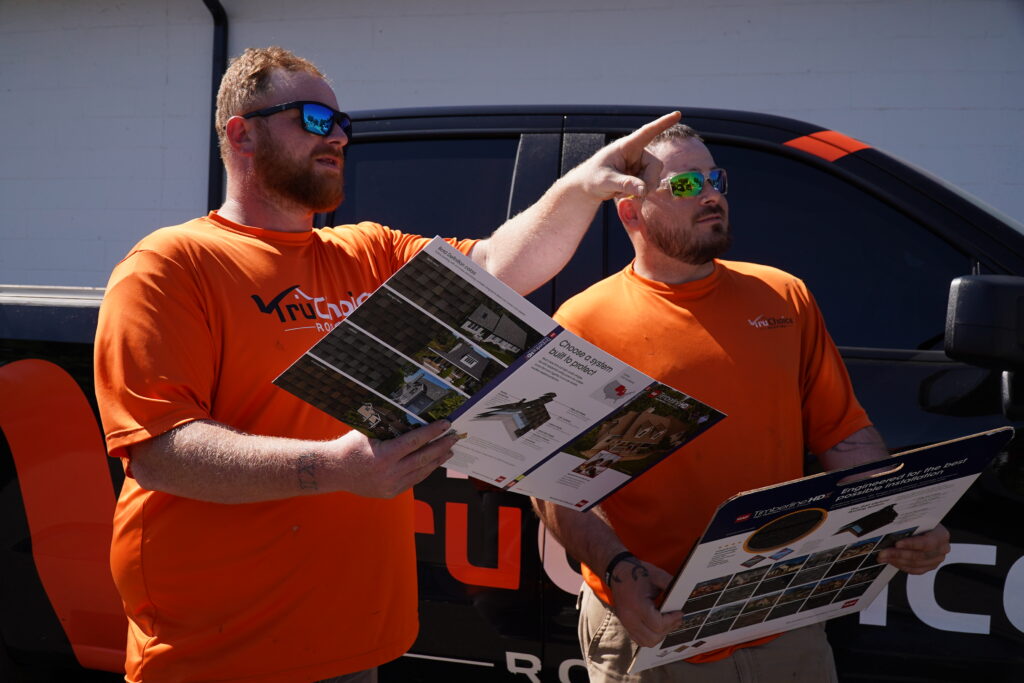
Effective selling starts with understanding the customer’s situation—not immediately presenting a product or price.
An electrical customer may be dealing with an aging panel, inadequate capacity, unreliable equipment, safety concerns, or a need for a new installation. The salesperson or technician needs to understand what matters to that customer before recommending a solution.
Create Consistent Estimates and Presentations
Customers need to understand what they are buying and why the recommendation makes sense.
Presenting clear, tiered options can help customers compare solutions based on their needs, expected value, and long-term considerations instead of reducing the conversation to the lowest price. It also gives salespeople a structured way to discuss different solutions without immediately reaching for a discount.
Training should teach the team to ask questions such as:
These questions give the customer an opportunity to explain the problem in their own words.
Electrical work can be technical. Customers do not necessarily need a technical lecture—they need to understand what is happening and why it matters.
Salespeople should explain findings in plain language, show the customer what needs attention when appropriate, and connect recommendations to legitimate needs.
That builds understanding without relying on fear.
A proposal becomes easier to evaluate when the customer understands what they are paying for.
Instead of leading with price, the team should explain:
The objective is not to hide the price. It is to make sure the customer understands the value and scope behind it.
Technicians can play an important role in sales because they are often the first people to identify additional electrical needs.
Depending on the customer’s situation, those opportunities may include:
The standard should be simple: identify real problems and explain legitimate solutions.
The technician should not manufacture problems or create unnecessary urgency.
Instead, the customer should understand what was identified, why it matters, what options are available, and what happens if they choose to address it now or later.
That approach creates a better customer experience while giving the company an opportunity to serve a genuine need.
A structured options-based sales process can make decisions easier for customers and more consistent for the sales team.
Options can reflect differences in:
The important point is not to overwhelm customers with choices. It is to give them meaningful alternatives that correspond to their situation.
Every salesperson should understand what differentiates each option and how to explain those differences.
This creates consistency across the team and prevents every salesperson from inventing their own presentation.
If your close rate is falling, investigate why. If average ticket is rising while gross margin declines, investigate that too.
Discounting can become an easy answer when a salesperson does not know how to communicate value.
But frequent discounting can reduce gross margins and train customers to negotiate before making a purchase.
Sales training should establish clear guidelines around pricing and discounts so salespeople understand when adjustments are appropriate and when they are simply giving away margin.
The goal is not to win every job by becoming the cheapest option.
It is to give customers a clear reason to choose the right solution.
Sales performance does not end when the initial conversation is over.
A contractor can generate strong opportunities and still lose sales because nobody followed up consistently.
Training should therefore include:
Response-time expectations
A business should not depend on whether an individual salesperson happens to remember to call a customer.
Build a standard follow-up process.
Managers should be able to see:
That creates visibility and accountability.
When sales are inconsistent, the first response is often to generate more leads.
But more leads will not fix a sales process that is already losing opportunities.
Electrical contractors should track metrics such as:
These numbers help identify where the problem actually exists.
For example:
Low appointment conversion may point toward qualification or response-time problems.
Low close rates may indicate problems with the sales conversation, presentation, or objection handling.
Low average tickets may indicate missed opportunities or weak options presentation.
Poor follow-up conversion can point toward an inconsistent process.
Strong revenue but weak gross profit may indicate pricing, discounting, job costing, or sales-compensation issues.
Without this visibility, coaching becomes opinion.
With the numbers, managers can identify specific behaviors that need to change.
A one-time training session can introduce a process. It rarely creates lasting behavior change on its own.
That is where contractor business coaching becomes important.
The process needs to be reviewed, measured, and reinforced.
Weekly sales meetings can include:
Managers can review:
Role-playing can also help employees practice difficult conversations before they happen with customers.
Every salesperson should understand what is expected.
That can include:
Training introduces the process.
Coaching reinforces it until the process becomes how the team sells.
This is where sales training connects directly to business growth.
If the owner has to step in every time a salesperson struggles, the company has not yet built a sales organization. It has built a collection of people who still depend on the owner.
The next step is developing sales leadership.
That means giving managers responsibility for:
The sales process should be documented.
That can include:
The goal is to turn what the owner knows into something the organization can teach.
That is how a contractor moves from owner-led selling to a sales system.
Higher conversion is not automatically better if the company is giving away margin to achieve it.
Sales training should therefore include profitability.
The team needs to understand how sales decisions affect:
A salesperson who closes 80% of opportunities but consistently sells low-margin work may create a very different business outcome from a salesperson who produces profitable revenue at a sustainable close rate.
The objective is not more sales at any cost.
It is consistent conversion that produces profitable work. Moreover, you can try home service business coaching.
A scalable electrical sales process should be:
Teachable — new employees can learn it.
Documented — expectations are not stored only in someone’s head.
Measurable — KPIs show what is happening.
Coachable — managers can identify performance gaps.
Repeatable — multiple employees can follow the same process.
Accountable — expectations and ownership are clear.
When those elements are in place, sales become less dependent on individual personalities.
The business gains more consistent conversion, better forecasting, stronger employee development, improved gross-profit visibility, and less owner involvement.
That is the difference between having salespeople and building a sales organization.
The immediate goal may be improving conversion this month. But the longer-term objective is building a stronger company.
When a business is evaluated for a potential transaction, revenue is only part of the picture. The systems supporting that revenue matter too.
A documented sales process, reliable reporting, consistent gross margins, capable sales leadership, customer retention, and reduced owner dependency can all contribute to a more transferable operation.
This is where sales connects directly to the Build It To Sell It philosophy.
The objective isn’t simply to close more electrical jobs.
It is to build a sales organization that can consistently produce profitable revenue as the company grows and continue doing so without every difficult opportunity running through the owner.
Increasing electrical sales does not require turning technicians and salespeople into high-pressure closers.
It requires a better system.
Contractor sales training program should give the team a consistent way to understand customer needs, identify legitimate opportunities, communicate solutions, present options, follow up, and protect margins. Contractor training then reinforces that process through measurement, practice, accountability, and ongoing management.
At BITSI, the focus is bigger than closing more jobs. It is helping home service owners build the systems, leadership, accountability, and sales discipline required to create a more profitable and scalable business one that can perform without the owner having to be the closer, manager, and problem-solver for everything.
It should cover customer discovery, solution presentation, objection handling, options-based selling, follow-up, pricing discipline, KPIs, and ongoing performance coaching.
Focus on understanding the customer’s actual problem, explaining legitimate solutions clearly, presenting relevant options, and following up consistently rather than creating artificial urgency.
Coaching turns training into an ongoing process by reviewing sales data, practicing conversations, analyzing lost opportunities, and holding team members accountable for measurable performance.
Useful metrics include close rate, lead-to-appointment conversion, average ticket, follow-up conversion, sales cycle length, revenue per salesperson, and gross profit per sale.
Document the sales process, establish clear pricing and follow-up guidelines, develop sales managers, track KPIs, and coach multiple employees so sales knowledge is no longer concentrated with the owner or one salesperson.
Build It To Sell It™ is an operator-led growth platform built exclusively for home service business owners who want to create stronger, more profitable, and more valuable companies. Rather than offering generic business advice or motivational coaching, Build It To Sell It™ provides proven operating systems, hands-on coaching, peer accountability, and real-world strategies developed by entrepreneurs who have successfully built, scaled, and sold businesses.